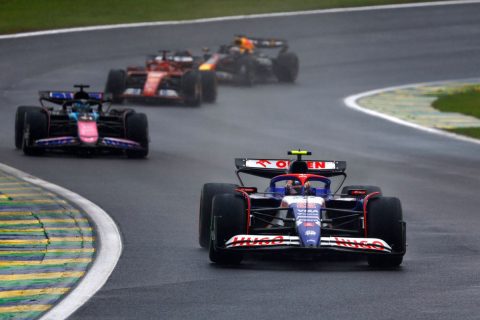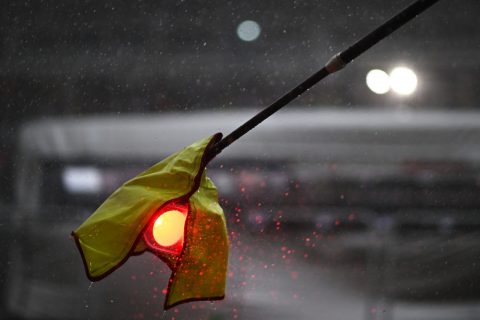






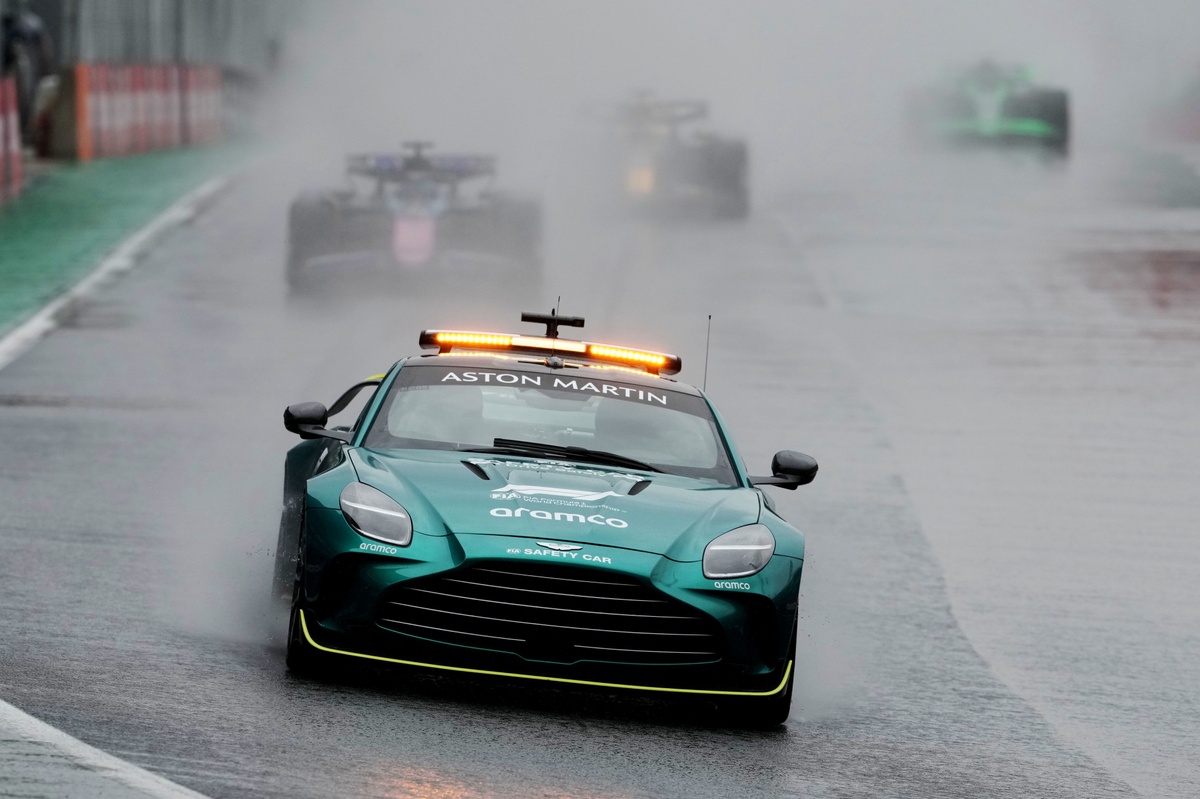
The 2024 Brazilian Grand Prix turned into a thrilling spectacle, with the race’s narrative altered dramatically by weather conditions and strategic interventions. Amid intense competition on a rain-soaked Interlagos circuit, Franco Colapinto’s crash eventually led to a red flag that underscored the inherent unpredictability of Formula 1 racing.
The Genesis of Chaos
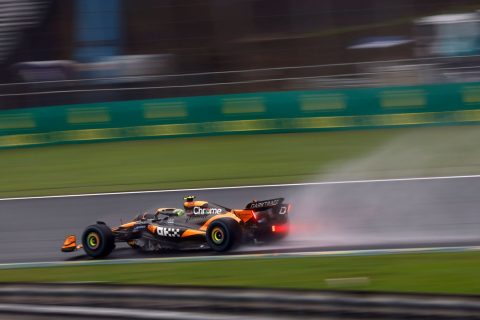
As the race reached the strategic heart on lap 30 of the 69-lap contest, Alpine’s Esteban Ocon appeared to be closing the gap to race leader and eventual winner Max Verstappen. Simultaneously, Lando Norris capitalised on his McLaren’s fresher second set of intermediate tyres. He manoeuvred past long-time Mercedes front-runner George Russell and targeted Pierre Gasly, who was second in another Alpine.
With stronger rains than those seen during the earlier part of the race and qualifying, dark clouds loomed over Interlagos. Three-quarters of the field opted for intermediate tyres. However, a handful of drivers like Sergio Perez, Zhou Guanyu, and Nico Hulkenberg gambled on the extreme wet tyres during their respective virtual safety car pit stops. Despite the changing conditions, no drivers had yet veered off onto the grass, prompting questions about the necessity of intervention at that juncture.
Safety Car Activation
The decision to deploy the safety car was prompted by the deteriorating conditions on track. Several drivers were struggling to maintain control as the rain intensified, making visibility and traction a growing concern. This intervention ensured the safety of the drivers while allowing teams to recalibrate their strategies. The safety car neutralised the rapidly developing tension as teams worked out whether the race would see another round of tyre changes with the potential shift in weather conditions.
Colapinto’s Decisive Crash
The critical point came when Franco Colapinto lost control amid the increasing downpour, leading to a crash that necessitated a red flag. The accident underscored the treacherous nature of the conditions and justified the earlier caution. His crash brought the race to a halt, as marshals worked to clear the debris and ensure the track was safe for the resumption of racing.
Strategic Implications
With weather playing such a pivotal role, the decisions by McLaren and Alpine to opt for fresh intermediaries earlier paid dividends. Norris and Ocon’s aggressive approaches saw them significantly alter the landscape of the race. However, the interruption by the safety car and the subsequent red flag meant these developments occurred under a cautionary cloud, levelling the playing field.
Red Bull faced challenges as their strategic decisions unfolded under constant scrutiny, with Perez’s gamble on extreme wet tyres set alongside Verstappen’s measured consistency. The disruption provided an unexpected twist for the teams, forcing them to reassess and adapt mid-race.
The Impact of the Brazilian GP
The Brazilian Grand Prix’s chaotic circumstances emphasised the critical balance between strategy and adaptability in Formula 1. As the season progresses, teams will reflect on this race as a crucible that tested their tactical prowess under the stress of unpredictable elements.
Looking ahead, the championship race remains tight, with points secured in Brazil further sharpening the competitive edge of this year’s season. Teams will need to anticipate similar challenges to maintain momentum, particularly when adverse weather conditions play a role in upcoming Grands Prix.