






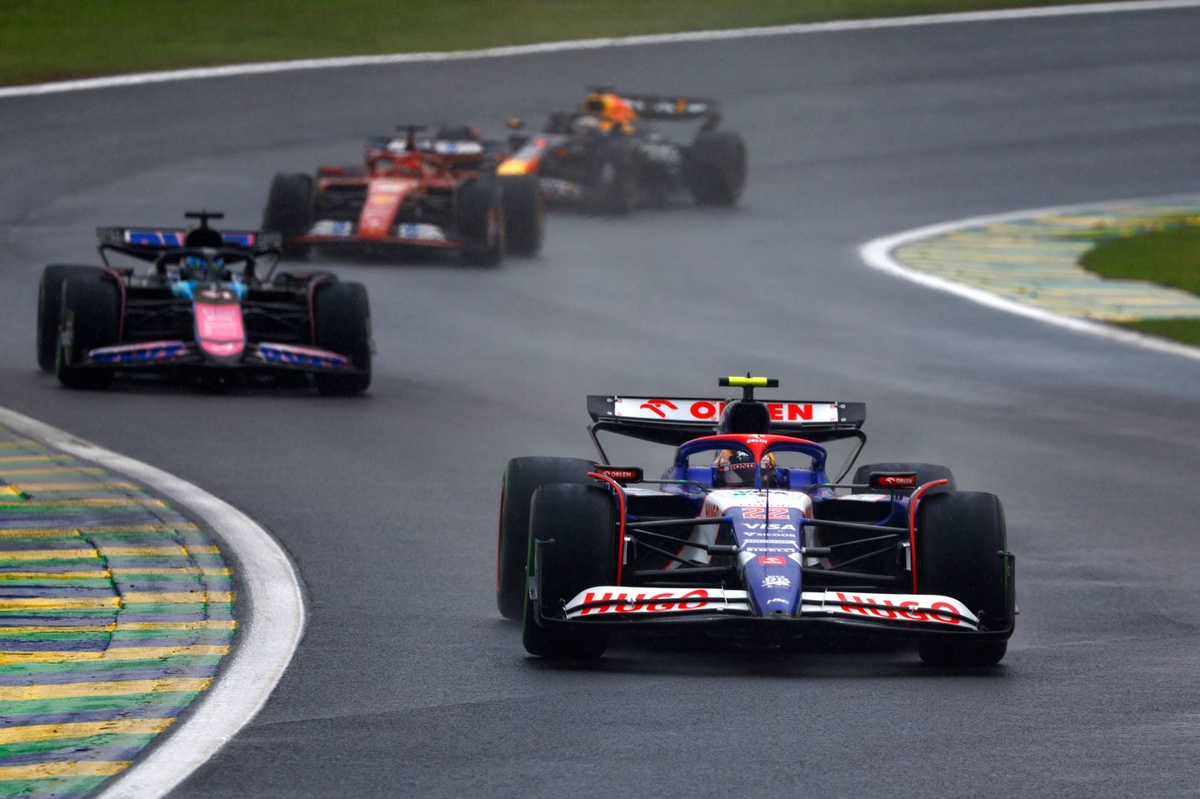
The Brazilian Grand Prix at Interlagos was a race of high drama and strategic gambles, as Yuki Tsunoda made a daring bid to capitalize on extreme weather conditions. The Japanese driver’s ambitious switch to extreme wet tyres momentarily placed him on the verge of leading the race. However, Yuki’s hopes were dashed by F1’s rules regarding safety cars and red flags.
Tsunoda’s Strategic Move
As rain intensified over the São Paulo circuit, Tsunoda and his AlphaTauri teammate Liam Lawson opted for extreme wet tyres, a decision that saw them lapping significantly faster than competitors on intermediates. This bold strategy projected Tsunoda into third place before his pitstop.
The Impact of Safety Car and Red Flags
While Tsunoda’s pace on the extreme wets was promising, the rapidly worsening track conditions forced race control to deploy the safety car. Upon Franco Colapinto’s crash, involving his Williams during a rejoining attempt after a pitstop, the situation escalated to a red flag. This stop allowed rivals to change tyres without penalty, negating Tsunoda’s earlier time advantage.
Final Position and Race Outcome
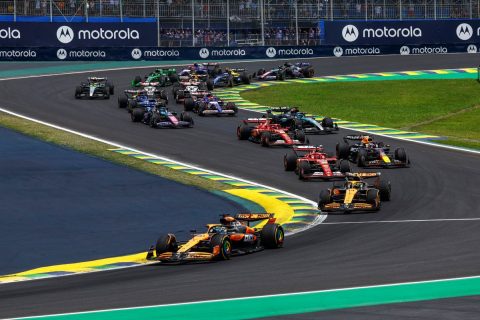
Tsunoda’s final standing was eighth on the track, which improved to seventh after McLaren’s Oscar Piastri received a 10-second penalty for a collision with Lawson at Turn 1. While Tsunoda’s strategy was sound, the red flag rules skewed his potential top finish, highlighting the rule’s impact on race outcomes.
Analyzing the Strategy
Reflecting on the race, Tsunoda noted the unique position he and the team found themselves in. If not for the red flags, his decision to switch tyres could have paid off significantly. “If the red flag hadn’t come out, we might have been looking at a P1,” he stated, recognising the gamble’s merit despite the unrewarding finish.
The Implications for Future Races
This event reignites the debate on how red flags and tyre change rules might be adjusted to preserve competitive fairness. The rules currently allow free tyre changes during red flag periods, a move that can nullify strategic gains. Teams and drivers seeking to try out-of-the-box strategies must weigh these possibilities when planning their race approach.
What’s Next for AlphaTauri?
Looking forward, AlphaTauri is keen on translating the lessons from the Brazilian GP into strategic refinements for future races. The team aims to continue taking calculated risks while pushing the boundaries of track strategy.
The São Paulo Grand Prix exemplified the nuanced balance between skill, strategy, and regulations in Formula 1. As always, these factors collectively decide the thrillingly unpredictable nature of the sport.